How to Clean Kitchen Sponge?
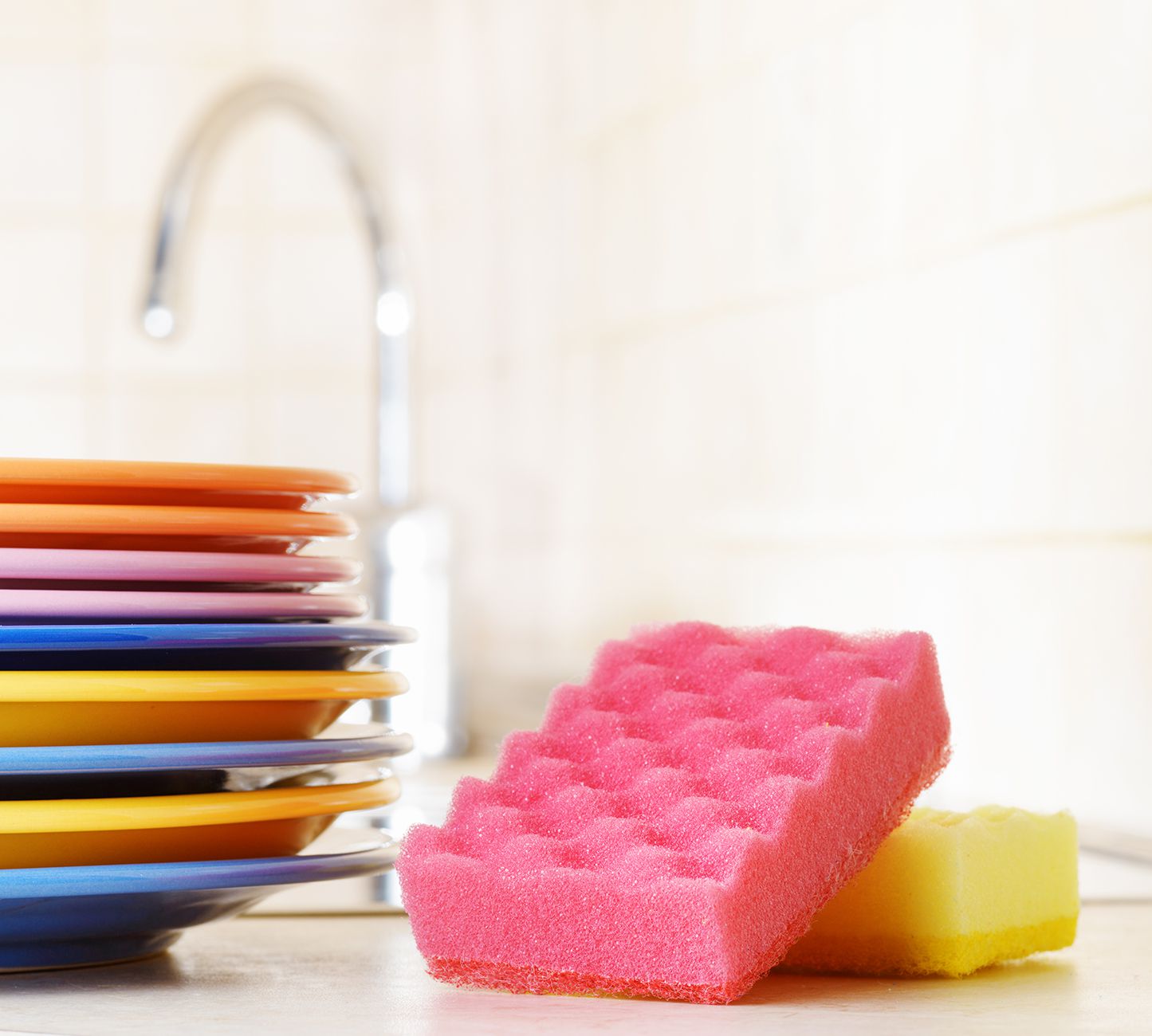
How to clean kitchen sponge? To clean a kitchen sponge, soak it in a solution of bleach and water for five minutes, then rinse thoroughly. Cleaning the kitchen sponge regularly is essential for maintaining a hygienic environment in your kitchen.
Over time, sponges can harbor harmful bacteria and odors, so it’s crucial to clean them properly. In this blog post, we’ll explore the best methods for cleaning your kitchen sponge to ensure that it remains safe to use. We’ll also discuss some tips for extending the life of your sponge and when it’s time to replace it.
By following these guidelines, you can keep your kitchen sponge clean and free from bacteria, ensuring a healthy cooking environment.

Introduction To Kitchen Sponge Hygiene
Keeping your kitchen sponge clean is essential for maintaining a hygienic cooking environment. Sponges play a crucial role in kitchen cleanliness by helping to remove food particles and grime from dishes and countertops. However, there are common myths surrounding kitchen sponges that need to be debunked.
One common myth is that microwaving or boiling a sponge will effectively sanitize it. While these methods may kill some bacteria, they do not eliminate all harmful microorganisms. It is important to regularly replace your sponge to ensure proper cleanliness.
Another misconception is that a smelly sponge can be revived by soaking it in vinegar or bleach. Although these substances may temporarily mask the odor, they do not eliminate the bacteria causing it.
To maintain a clean kitchen, it is recommended to replace your sponge every few weeks or when it starts to show signs of wear and tear. Proper sponge hygiene will help keep your kitchen surfaces and dishes free from harmful bacteria.
The Dark Side Of Damp Sponges
The dark side of damp sponges is the breeding ground it provide for bacteria and germs, posing health risks. Dirty sponges can harbor harmful microorganisms that can contaminate surfaces and utensils in the kitchen. To prevent the spread of these pathogens, it is essential to clean kitchen sponges regularly. A simple method is to soak the sponge in a mixture of warm water and bleach or vinegar for a few minutes, then rinse thoroughly.
Another option is to microwave a damp sponge for one to two minutes to kill bacteria. Alternatively, sponges can be sanitized in the dishwasher. It is important to replace sponges regularly, as they can deteriorate over time and become less effective at cleaning. By maintaining clean sponges, you can ensure a healthier kitchen environment.
Daily Maintenance Habits
It’s important to rinse and wring out your kitchen sponge after each use. This helps to remove food particles and prevent bacterial growth.
Proper storage is also essential for keeping your kitchen sponge clean. Store it in a dry area with good air circulation to prevent bacteria from thriving.
Effective Natural Cleaning Agents
Discover the power of effective natural cleaning agents to freshen up your kitchen sponge. Use vinegar, baking soda, or lemon to eliminate germs and odors, keeping your sponge clean and ready for daily use.
| Vinegar Soak for Disinfection | Baking Soda Scrubs for Stain Removal |
| Soak the sponge in vinegar and water solution. | Make a paste of baking soda and water. |
| Let it sit overnight to kill bacteria. | Gently scrub the sponge to remove tough stains. |
| Rinse the sponge thoroughly before use. | Repeat the process as needed for cleanliness. |
Microwave Method: Zapping The Germs Away
One easy and effective way to clean a kitchen sponge is by using the microwave method. This method involves zapping the sponge in the microwave to kill germs and bacteria.
To sanitize your kitchen sponge using the microwave method, follow these simple steps:
| Step 1: | Saturate the sponge in water, making sure it’s completely wet. |
| Step 2: | Place the wet sponge in the microwave on a microwave-safe plate. |
| Step 3: | Heat the sponge on high power for two minutes. |
| Step 4: | Use oven mitts to carefully remove the hot sponge from the microwave. |
It’s important to take necessary safety precautions when using the microwave to clean your sponge. Make sure the sponge is fully wet, as a dry sponge can catch fire in the microwave. Additionally, use oven mitts to remove the hot sponge from the microwave to avoid burning your hands.
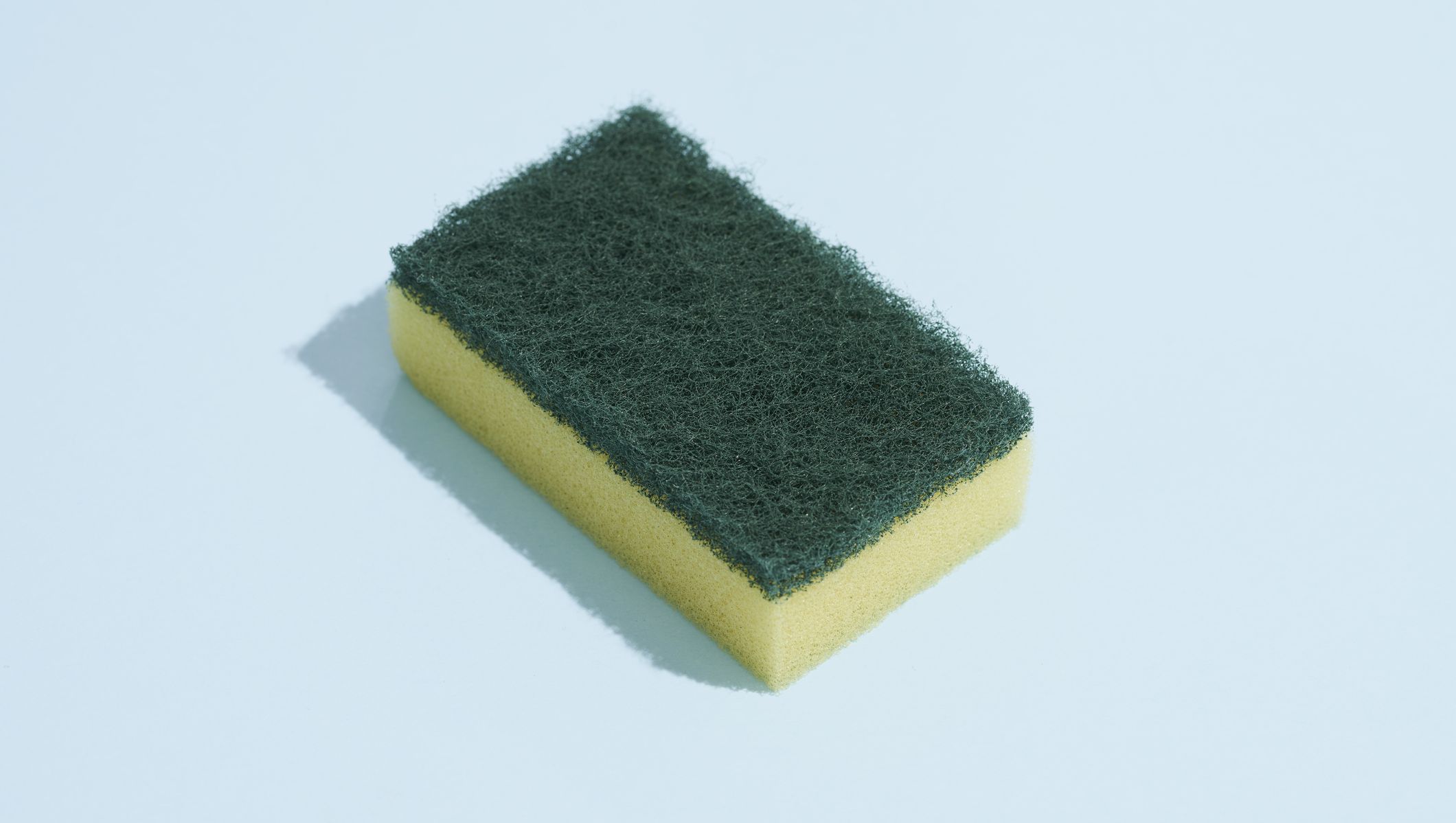
Dishwasher Cycle For Sponge Disinfection
Regularly clean kitchen sponges by running them through the dishwasher cycle.
Place sponge on top rack for effective disinfection.
Use hot water setting to kill bacteria and germs.
Don’t mix sponge with dirty dishes for best cleaning results.
Follow these best practices for maintaining clean kitchen sponge.
Bleach Solution For A Deep Clean
When cleaning a kitchen sponge, it’s important to use a bleach solution to ensure a deep clean. To create the perfect bleach solution, mix 3/4 cup of bleach with one gallon of water. Allow the sponge to soak in the solution for 5 minutes to effectively kill bacteria and germs.
For the best results, it’s recommended to soak the sponge in the bleach solution at least once a week. This frequency helps maintain a clean and sanitary sponge, reducing the risk of cross-contamination in the kitchen.
When To Say Goodbye: Replacing Your Sponge
When your kitchen sponge starts to smell, it’s time to replace it. Bacteria can build up in the sponge, leading to potential health risks. To dispose of your old sponge in an eco-friendly manner, consider recycling it or repurposing it for cleaning tasks that don’t involve food preparation.
Alternative Cleaning Tools And Techniques
Discover alternative cleaning tools and techniques for keeping your kitchen sponge fresh. Try microwaving a damp sponge for two minutes or soaking it in a solution of water and vinegar to eliminate bacteria and odors. These methods are effective in maintaining a clean and hygienic kitchen sponge.
| Sponge Alternatives for Different Tasks | Innovative Products for Kitchen Hygiene |
| Microfiber cloths for wiping countertops and surfaces. | UV sanitizers for eliminating bacteria from kitchen tools. |
| Dish brushes to scrub dishes and pots effectively. | Antibacterial silicone scrubbers for gentle yet thorough cleaning. |
| Scouring pads for removing tough stains and grime. | Disposable wipes for quick and convenient sanitation. |
Conclusion: Best Practices Recap
| Key Cleaning Techniques | Best Practices Recap |
|---|---|
| 1. Microwave Method | Use the microwave to sanitize sponges. |
| 2. Bleach Solution | Mix bleach and water to disinfect sponges. |
| 3. Vinegar Solution | Soak sponges in vinegar to kill bacteria. |
To maintain a germ-free kitchen, it’s important to clean sponges regularly. You can use one of the three key cleaning techniques mentioned above to sanitize your sponges. Additionally, it’s recommended to replace your sponges every two to three weeks to prevent bacterial buildup. By following these best practices, you can ensure that your kitchen remains hygienic and safe for you and your family.
:max_bytes(150000):strip_icc()/ways-to-clean-kitchen-sponge-getty-1023-c640221ec8d84e86aea225ddea155b13.jpg)
Frequently Asked Questions
What Is The Best Way To Sanitize A Kitchen Sponge?
To sanitize a kitchen sponge effectively, soak it in a mixture of hot water and bleach for 5 minutes. Rinse thoroughly with clean water afterward. Alternatively, microwave the wet sponge for 1-2 minutes on high power to kill bacteria. Replace the sponge every 2-3 weeks to maintain cleanliness.
Does Microwaving A Sponge Sanitize It?
Microwaving a sponge can help sanitize it. The heat kills bacteria, but it’s important to wet the sponge first and avoid metallic materials, as they can cause sparks. Be cautious and make sure the sponge is not too hot before using it.
How Do You Clean A Reusable Dish Sponge?
To clean a reusable dish sponge, rinse it thoroughly under hot water after each use. Then, soak it in a mixture of water and dish soap for a few minutes. Rinse it again and let it air dry. Alternatively, you can sanitize it by microwaving it for 1-2 minutes or boiling it for 5 minutes.
Does Boiling A Sponge Sanitize It?
Boiling a sponge can help sanitize it by killing some bacteria, but it may not eliminate all germs.
Conclusion
Ensure your kitchen sponge stays clean by following these simple yet effective tips. Regularly sanitize and replace sponges to prevent bacterial buildup. By maintaining a clean sponge, you promote a healthier kitchen environment for you and your family. Start implementing these practices today for a cleaner kitchen tomorrow.