How to Sharpen a Bread Knife?
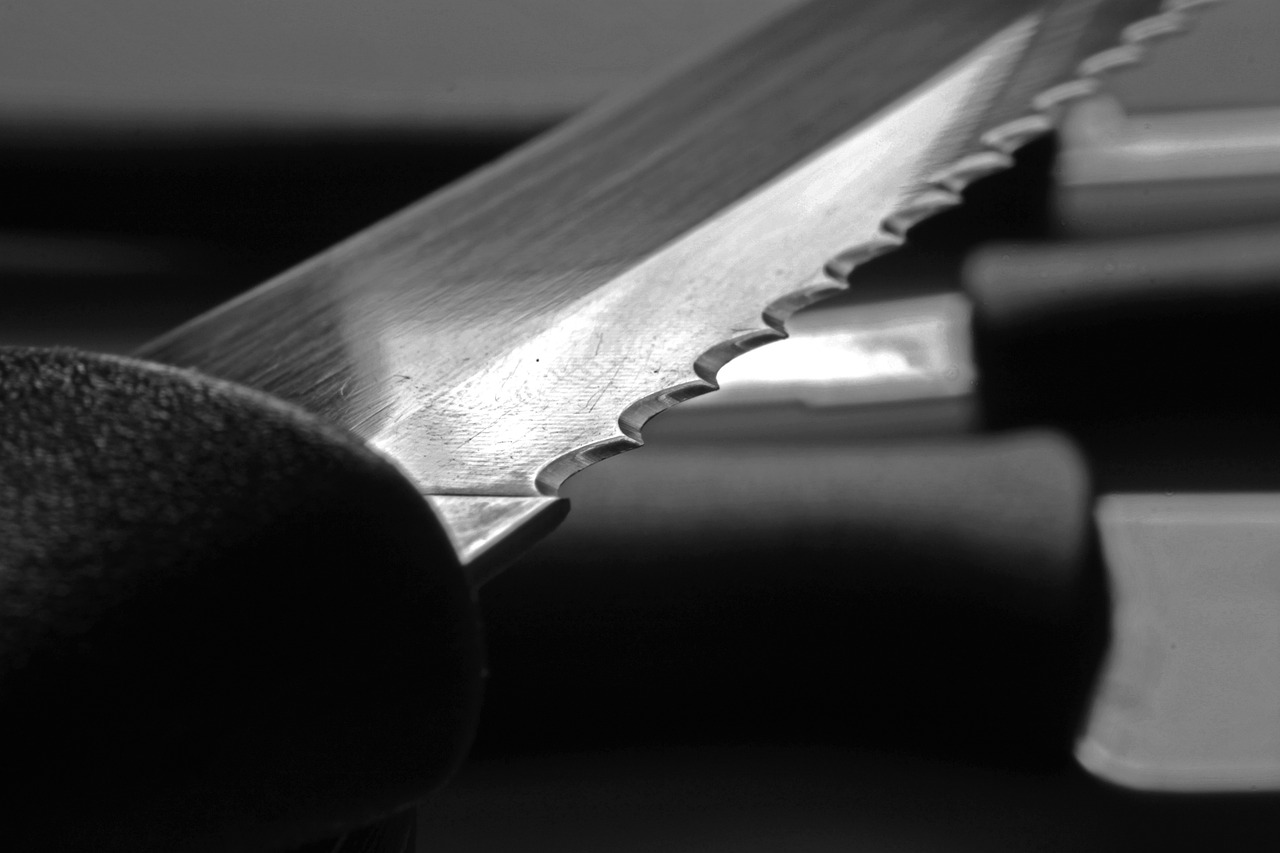
How to Sharpen a Bread Knife? To sharpen a bread knife, you can use a sharpening stone or a honing rod. First, hold the knife at a 20-degree angle and run it along the stone or rod, applying light pressure.
Repeat this process several times until the knife is sharp. Avoid using a regular knife sharpener as it can damage the serrated edge of the bread knife. Having a sharp bread knife is essential for effortless slicing through bread without crushing it.
Whether you have a serrated or scalloped edge bread knife, regular maintenance is necessary to keep it performing at its best. In this guide, we will explore the simple yet effective methods to sharpen a bread knife, ensuring that it remains sharp and ready for all your bread-slicing needs. By following these steps, you can easily maintain the sharpness of your bread knife and enjoy clean, precise cuts every time. So, let’s dive into the process of sharpening a bread knife and enhance your culinary experience.
The Importance Of A Sharp Bread Knife
A sharp bread knife is essential for achieving clean cuts on bread. Sharpening a bread knife can be done using a knife sharpener or honing steel. Regular maintenance of the knife’s edge ensures precise slicing and prevents tearing of the bread.
Safety First: Dull Blades Lead To Accidents
Using a dull bread knife can be a recipe for disaster. When the blade is not sharp enough, you may apply excessive pressure while slicing, which can lead to slipping and accidental cuts. Keeping your bread knife sharp is crucial to ensure your safety in the kitchen.
Clean Cuts: The Aesthetics Of Slicing Bread
When it comes to slicing bread, aesthetics matter. A sharp bread knife allows you to achieve clean, precise cuts, resulting in beautifully presented slices of bread. Whether you are hosting a dinner party or simply enjoying breakfast, the appearance of your sliced bread can make a significant difference.
Here are a few reasons why a sharp bread knife is essential:
- A sharp blade ensures effortless slicing, minimizing the risk of accidents in the kitchen.
- It allows you to create evenly sliced bread, enhancing the overall presentation of your dishes.
- With a sharp bread knife, you can cut through various types of bread, from crusty baguettes to soft sandwich loaves, with ease.
- Sharp blades reduce the chances of tearing or squishing the bread, preserving its texture and taste.
To maintain the sharpness of your bread knife, it is recommended to sharpen it regularly using the appropriate techniques. By doing so, you can ensure safe and satisfying bread slicing experiences every time.
Types Of Bread Knives And Their Unique Edges
Bread knives come in various types, each with unique edges designed to slice through different kinds of bread. Understanding the differences between these types of bread knives and their edges can help you choose the right one for your needs.
Serrated Vs. Scalloped Blades
Serrated blades have pointed teeth, while scalloped blades have rounded, wavy edges. Grooved knives are perfect for cutting crusty bread because they grip the surface, ensuring clean slices without crushing the loaf.
On the other hand, scalloped blades work well for softer bread, as the rounded edges prevent tearing and produce precise slices.
Understanding The Blade: Materials And Design
Bread knife blades are commonly made from stainless steel, high-carbon steel, or ceramic. Stainless steel is durable and resistant to corrosion, while high-carbon steel offers exceptional sharpness. Ceramic blades are lightweight and retain their sharpness for a long time. The design of the blade, whether it’s full tang or partial tang, also impacts the knife’s balance and durability.
When To Sharpen Your Bread Knife
To keep your bread knife sharp, look for signs of dullness like crushing bread instead of slicing. Sharpen it using a whetstone or an electric sharpener to maintain its cutting edge. Regular maintenance ensures effortless slicing for your favorite loaves.
Signs Of A Dull Knife
A dull knife tears bread instead of slicing it cleanly.
When you notice squishing or ripping, it’s time to sharpen.
Frequency Of Sharpening For Optimal Performance
Regularly sharpen your bread knife for the best results.
Sharpen every 2-3 months with heavy use.
Light use may only require sharpening every 6 months.
Tools For Sharpening A Bread Knife
Sharpening a bread knife can be tricky, but with the right tools, it can be done easily. Honing steel or a sharpening stone can help maintain the serrated edge of the knife, ensuring clean and effortless slices every time.
Sharpening a bread knife is not rocket science, but it does require the right tools. With the right tools, you can ensure your bread knife stays sharp and ready to slice through any loaf of bread with ease. In this article, we’ll be discussing the tools you need to sharpen your bread knife and maintain its edge.
Manual Vs. Electric Sharpeners
When it comes to sharpening a bread knife, you have two options: manual sharpeners and electric sharpeners. Manual sharpeners are the traditional way of sharpening knives and involve using a sharpening stone to sharpen the blade. Electric sharpeners, on the other hand, are a more modern way of sharpening knives and involve using an electric motor to sharpen the blade. If you’re looking for a more hands-on approach and have experience sharpening knives, then a manual sharpener may be the better option for you. However, if you’re new to sharpening knives or want a quicker and more efficient way to sharpen your bread knife, then an electric sharpener may be the better option.
The Role Of Honing Rods In Maintaining An Edge
In addition to sharpening your bread knife, it’s also important to maintain its edge. This is where honing rods come in. Honing rods are long, thin rods made of steel or ceramic that are used to straighten and realign the blade of your knife. Using a honing rod regularly can help keep your bread knife sharp and prolong the time between sharpenings. To use a honing rod, simply hold the rod vertically and place the heel of the blade against the rod at a 20-degree angle.
Then, gently slide the blade down the rod while maintaining the angle. Repeat this process on the other side of the blade for a few strokes, and your bread knife should be ready to slice through bread like butter. In conclusion, sharpening a bread knife requires the right tools and techniques. Whether you choose a manual or electric sharpener, and whether you use a honing rod or not, the key is to ensure your bread knife stays sharp and ready to slice through any loaf of bread with ease.
Step-by-step Guide To Sharpening A Bread Knife
Sharpening a bread knife is essential for efficient slicing. Follow this step-by-step guide to learn how to sharpen your bread knife effectively.
Setting Up Your Workspace
- Choose a well-lit and clean area for sharpening.
- Gather a damp cloth, honing rod, and sharpening stone.
- Place a cloth under the stone to prevent slipping.
The Sharpening Process: Techniques And Angles
Hold the knife at a 20-degree angle against the stone.
Move the blade back and forth across the stone.
Repeat on the other side until sharp.

Common Mistakes To Avoid While Sharpening
When it comes to sharpening a bread knife, it’s crucial to be aware of the common mistakes that can compromise the process. By avoiding these missteps, you can ensure that your bread knife is sharpened effectively and maintains its cutting performance for a prolonged period.
Applying Too Much Pressure
Applying excessive pressure while sharpening a bread knife can lead to undesirable outcomes. It may cause the blade to become misaligned, resulting in uneven sharpening and potential damage to the knife. To prevent this, it’s important to maintain a steady and controlled level of pressure throughout the sharpening process.
Overlooking The Tip And Heel Of The Knife
One common mistake is overlooking the tip and heel of the bread knife when sharpening. Focusing solely on the central portion of the blade can lead to uneven sharpness, affecting the knife’s overall cutting performance. To address this, ensure that the entire length of the blade, including the tip and heel, receives equal attention during the sharpening process.
Aftercare: Preserving The Sharpness Of Your Bread Knife
Maintaining the sharpness of your bread knife is crucial for effortless slicing. To sharpen it, use a sharpening stone or an electric knife sharpener. Glide the blade across the sharpener at a consistent angle for best results. Regular sharpening will keep your bread knife in top-cutting condition.
Aftercare: Preserving the Sharpness of Your Bread Knife Congratulations! You’ve successfully sharpened your bread knife and it’s now ready for use. But, how do you ensure that it stays sharp for longer? Proper aftercare is the key. Here are some tips on how to preserve the sharpness of your bread knife. Proper Storage Solutions Storing your bread knife in the right way is essential to maintain its sharpness.
Here are some storage solutions to consider: – Use a knife block: A knife block is a popular storage solution for knives. It not only keeps your knives organized but also protects the edges from damage. – Use a magnetic knife holder: A magnetic knife holder is another great option for storing your bread knife. It keeps your knives within reach and also helps to preserve their sharpness. – Store in a sheath: A sheath is a protective cover that fits over the blade of your knife. It’s a great way to protect your knife while it’s not in use. Cleaning Practices to Prevent Rust and Dullness Cleaning your bread knife properly is crucial to prevent rust and dullness.
Here are some cleaning practices to follow: – Hand wash: Always hand wash your bread knife with warm soapy water after each use. Avoid using a dishwasher as the high heat and harsh chemicals can damage the blade. – Dry thoroughly: After washing, dry your bread knife thoroughly with a towel or cloth. This helps to prevent rust and corrosion. – Oil the blade: Applying a thin layer of oil to the blade after cleaning can help to prevent rust and dullness. Use a food-grade oil such as mineral oil or camellia oil. In conclusion, proper aftercare is essential to maintain the sharpness of your bread knife. By following these tips on proper storage solutions and cleaning practices, you can ensure that your bread knife stays sharp and ready for use whenever you need it.

Advanced Tips From The Pros
Learn expert techniques for sharpening a bread knife to perfection. Discover advanced tips from the pros to keep your bread knife razor-sharp for effortless slicing. Master the art of knife maintenance with insider advice from seasoned professionals.
Secrets For Achieving The Perfect Edge
To achieve the perfect edge on your bread knife, there are a few secrets that the pros swear by. First, make sure you are using the correct angle when sharpening your knife. A 20-degree angle is the ideal angle for most bread knives. Second, use a honing rod to maintain the edge of your knife between sharpenings. Finally, always use a sharpening stone that is appropriate for your knife’s blade material.
When To Seek Professional Sharpening Services
While sharpening a bread knife can be done at home, there are times when it’s best to seek professional sharpening services. If your knife is extremely dull or has nicks or chips in the blade, a professional sharpening service can help restore the knife to its former sharpness.
Additionally, if you don’t feel comfortable sharpening your knife at home, a professional can provide the expertise needed to get your knife back in top shape. By following these advanced tips from the pros, you can achieve the perfect edge on your bread knife and ensure that it stays sharp for years to come.
However, if you’re not comfortable sharpening your knife at home or if your knife needs more extensive sharpening, it’s always a good idea to seek professional help. With the right care and maintenance, your bread knife can be a valuable tool in your kitchen for years to come.
Frequently Asked Questions
What Is The Best Way To Sharpen A Bread Knife?
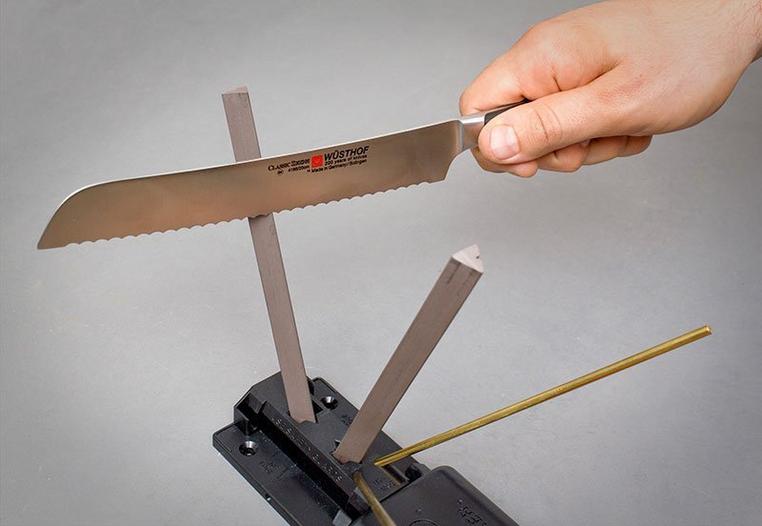
To sharpen a bread knife, use a serrated knife sharpener or a honing rod. Gently pull the knife through the sharpener or along the rod, following the serrations. Repeat until the knife is sharp. Avoid using a regular knife sharpener as it can damage the serrations.
Is It Worth Sharpening A Bread Knife?
Yes, sharpening a bread knife is worth it to ensure clean and precise cuts. A sharp knife is safer and more efficient for slicing bread.
Can You Sharpen A Serrated Knife With A Regular Knife Sharpener?
No, a regular knife sharpener is not suitable for sharpening a serrated knife. Serrated knives require a specialized sharpener with a tapered rod or a sharpening stone designed for serrated blades to maintain their effectiveness.
How To Sharpen A Serrated Knife With Work Sharp?
To sharpen a serrated knife with Work Sharp, follow these steps: 1. Start by selecting the appropriate sharpening belt for serrated knives. 2. Carefully insert the serrated knife into the Work Sharp sharpener. 3. Gently glide the knife back and forth along the belt, maintaining a consistent angle.
4. Continue sharpening until the desired sharpness is achieved. 5. Remember to clean the knife and Work Sharp sharpener after sharpening.
Conclusion
Mastering the art of sharpening a bread knife is essential for maintaining its cutting performance. By following the steps outlined in this guide, you can ensure that your bread knife remains sharp and efficient. With regular maintenance, your knife will continue to deliver precise and effortless slicing, enhancing your overall cooking experience.