Saute Pan Vs Fry Pan
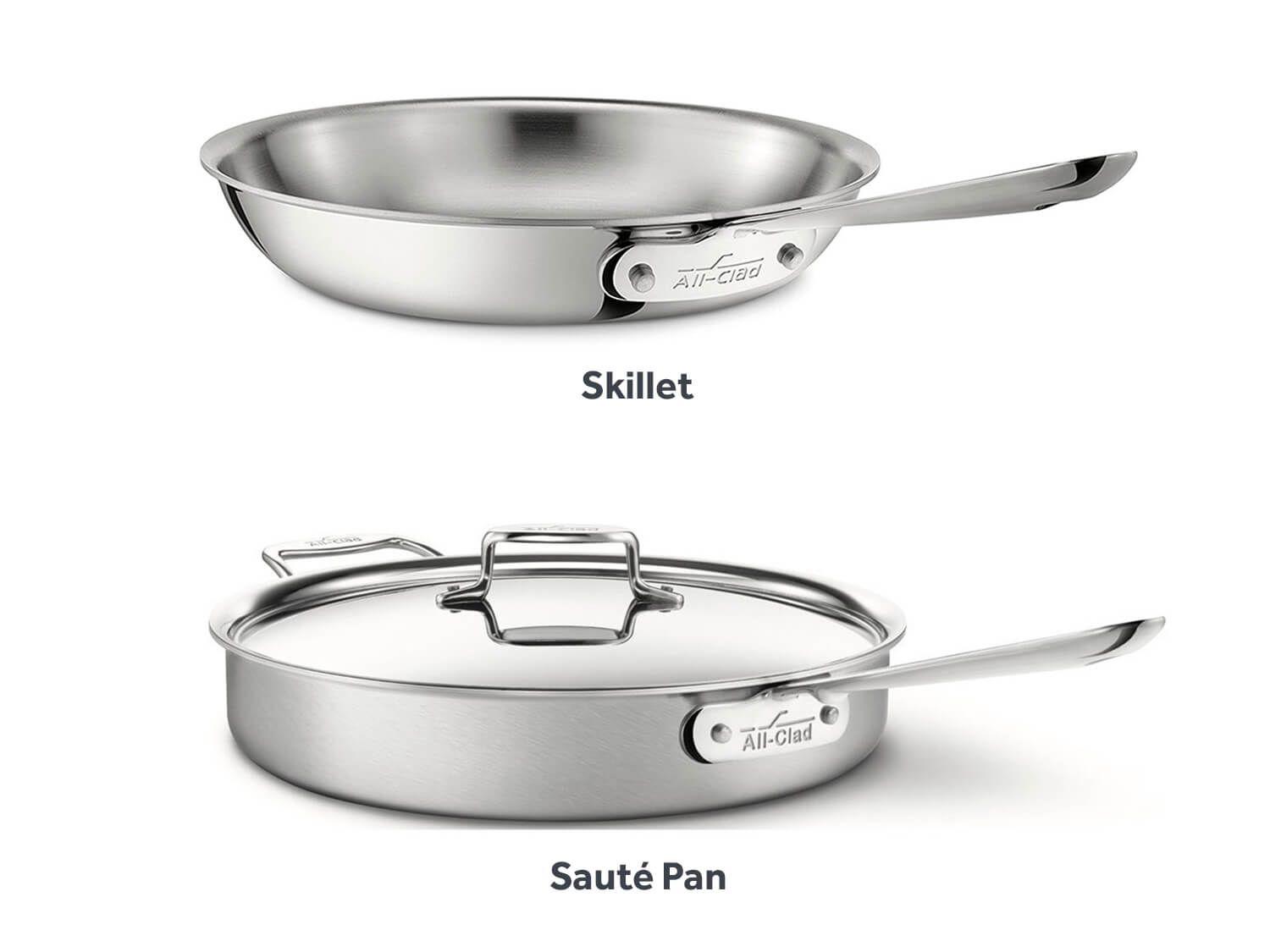
Saute Pan Vs Fry Pan. Fry pans feature slanted sides that make flipping easy, while sauté pans are designed with straight sides. Sauté pans work well for cooking liquid-based dishes, whereas fry pans are perfect for searing and browning.
When choosing between a saute pan and a fry pan, it’s essential to understand their differences to select the right one for your cooking needs. Both pans have unique features that cater to specific cooking methods and recipes. Understanding how each pan functions will help you decide based on your cooking preferences and techniques.
Let’s delve deeper into the distinctions between saute and fry pans to help you make the best choice for your kitchen.
Introduction To Saute Pan And Fry Pan
When comparing sauté pans and fry pans, it’s important to understand their core features. Saute pans typically have straight sides and a larger surface area, making them ideal for cooking liquids and sauces. They often come with a lid for simmering and braising. On the other hand, fry pans have sloped sides and are great for flipping and tossing food. They are perfect for recipes that require frequent stirring and flipping. Both pans are versatile and can be used for various cooking techniques.

Design Differences
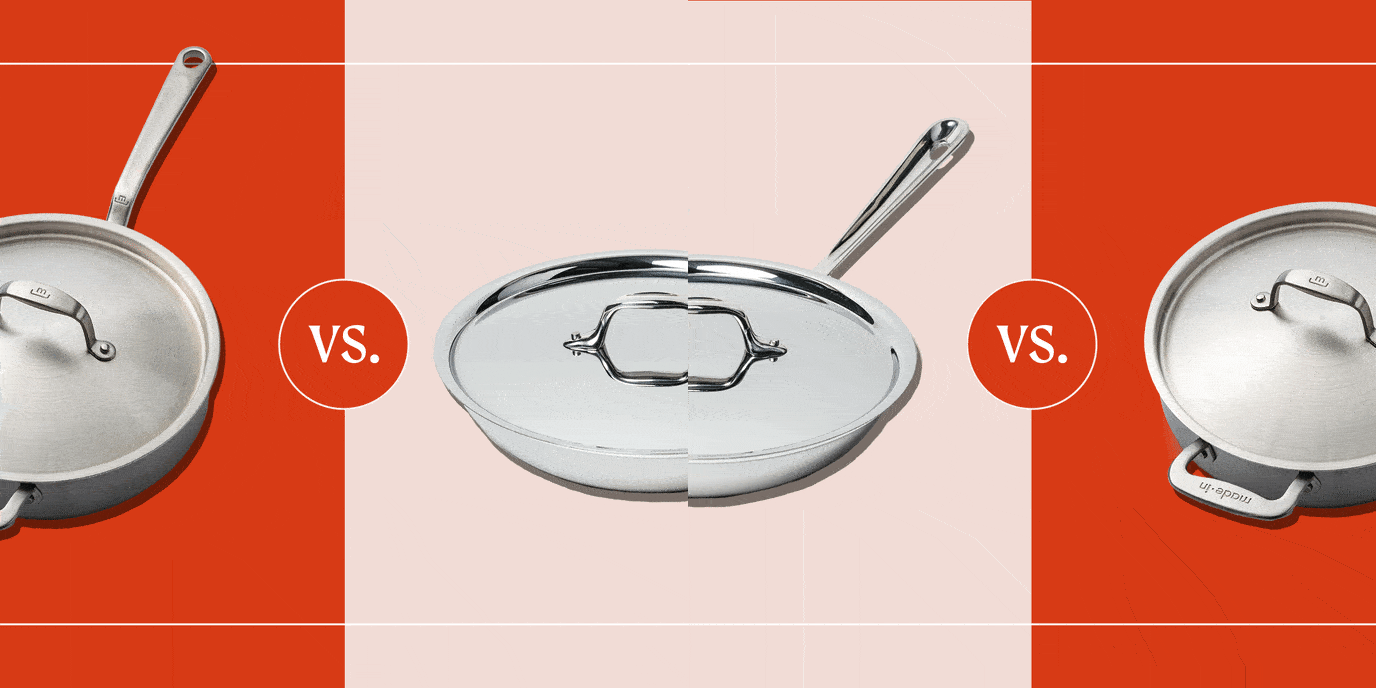
Saute pans and fry pans are different in design. Saute pans have straight sides and a larger surface area, while fry pans have sloped sides and are better for tossing and flipping food. Understanding these design variances can help you choose the right pan for your cooking needs.
| Side Walls and Surface Area | Materials and Construction |
| Sauté pans have higher side walls than fry pans. | Fry pans have larger surface areas for cooking. |
| Common materials include stainless steel and aluminum. | Sauté pans often have a flat base for even heat distribution. |
Heat Distribution And Cooking Techniques-Saute Pan compared to Fry Pan
Saute pans and fry pans have different heat distribution and cooking techniques. Saute pans are designed for quick cooking with high heat, while fry pans are versatile and ideal for frying and browning. Both pans have their unique uses in the kitchen.
| Heat Conductivity | Saute Pans | Fry Pans |
|---|---|---|
| Heat Distribution | Evenly distributes heat across the pan’s surface, making it ideal for sautéing and braising. | Concentrates heat at the center, making it perfect for frying and searing. |
| Cooking Techniques | Saute pans are ideal for dishes that require frequent stirring or tossing, such as risotto and stir-fries. | Fry pans are great for searing meats and cooking eggs, pancakes, and other dishes that require a flat surface. |
Saute pans and fry pans are two kitchen essentials that every home cook should have. Understanding the differences between them can help you choose the right one for your cooking needs. When it comes to heat conductivity, saute pans are designed to distribute heat evenly across the pan’s surface, making them ideal for sautéing and braising. On the other hand, fry pans concentrate heat at the center, making them perfect for frying and searing. When it comes to cooking techniques, saute pans are ideal for dishes that require frequent stirring or tossing, such as risottos and stir-fries. Fry pans, on the other hand, are great for searing meats and cooking eggs, pancakes, and other dishes that require a flat surface.
Versatility In The Kitchen
Saute pans and fry pans are both versatile tools in the kitchen, each with its unique uses. Saute pans are great for cooking dishes that require high heat and quick cooking times, such as stir-fries and sauteed vegetables. They have straight sides and a wide surface area, allowing for easy tossing and flipping of ingredients.
On the other hand, fry pans, also known as skillets, are ideal for tasks like frying eggs, searing meats, and making pancakes. They have sloped sides and a smaller surface area, which helps with evaporation and allows for even browning. Fry pans are also often used for making sauces and gravies.
Both pans can be used interchangeably for many dishes, but their different designs make them better suited for specific tasks. Whether you need to quickly saute vegetables or fry up some eggs, having both a saute pan and a frying pan in your kitchen will ensure you have the right tool for the job.
Size And Capacity Considerations
Consider the size and capacity when choosing between a saute pan and a fry pan. A saute pan typically has higher sides and a larger capacity, making it better for cooking foods that require more liquid. A frying pan, on the other hand, is better for foods that require dry heat and less liquid.
| Size and Capacity Considerations |
| Choosing the Right Size for Your Needs |
| Consider the number of people you usually cook for. |
| Smaller pans are suitable for single servings. |
| For larger meals, opt for a pan with a bigger diameter. |
| Impact of Capacity on Cooking |
| Smaller pans heat up faster due to less surface area. |
| Larger pans are ideal for recipes requiring more space. |
Handling And Maneuverability-Saute Pan Vs Fry Pan
Saute pans offer precise handling for delicate dishes, while fry pans excel in quick maneuvering for searing. Each pan provides unique advantages based on the cooking technique desired. Experiment with both to discover which suits your culinary needs best.
| Weight and Balance | Handle Design and Ergonomics |
| A saute pan is heavier for better heat distribution. | Curved handles on saute pans provide a comfortable grip. |
| A fry pan is lighter for easy tossing of ingredients. | Straight handles on fry pans offer better maneuverability. |
Maintenance And Durability-Saute Pan Vs Fry Pan
Maintenance and durability are important factors to consider when choosing between a saute pan and a fry pan. Cleaning and care tips can prolong the lifespan of cookware.
| Saute Pan | Fry Pan | |
|---|---|---|
| Cleaning | Hand-wash with mild detergent and a non-abrasive sponge. Avoid metal utensils that can scratch the surface. | Hand-wash with mild detergent and a non-abrasive sponge. Avoid metal utensils that can scratch the surface. |
| Care | Use low to medium heat. Avoid using metal utensils. Do not stack heavy items on top of it. | Use low to medium heat. Avoid using metal utensils. Do not stack heavy items on top of it. |
| Durability | Can last for several years with proper care. Non-stick coatings may wear off after prolonged use. | It can last for several years with proper care. Non-stick coatings may wear off after prolonged use. |
Price And Value For Money
The sauté pan offers versatile cooking options, making it a valuable addition to any kitchen. While the fry pan is generally more affordable, the sauté pan’s additional features provide excellent value for money. With its higher price, the sauté pan delivers added functionality and durability, making it a worthwhile investment for cooking enthusiasts.
| Price and Value for Money |
|---|
| When comparing saute pans and fry pans, it’s important to consider the cost. Fry pans tend to be less expensive than saute pans due to their simpler design and lack of high walls. However, saute pans offer more versatility in terms of cooking techniques and can often be used as a substitute for a fry pan. Ultimately, the value for money will depend on your personal cooking needs and preferences. Investing in quality cookware is always a good idea, as it can last for years and provide consistent results. Consider your budget and the features you need before deciding between a saute pan and a fry pan. |
Making The Right Choice-Saute Pan Vs Fry Pan
A saute pan is versatile for cooking various dishes.
It has straight sides that help in tossing ingredients easily.
A fry pan has sloped sides, making flipping food effortlessly.
Consider your cooking style to choose the right pan.
Saute pans are ideal for dishes with more liquid.
Fry pans are perfect for dishes that need flipping.
Both pans have their unique advantages for cooking.
Frequently Asked Questions
Is A Sauté Pan The Same As A Frying Pan?
A sauté pan is similar to a frying pan, but it has straight sides and a larger surface area, making it ideal for cooking liquid-based dishes like sauces and stews.
Do You Need A Sauté Pan?
Yes, a sauté pan is essential for cooking various dishes. It provides even heat distribution, allowing you to sauté vegetables, sear meats, and prepare stir-fries. Its high, sloped sides prevent ingredients from spilling out. Overall, a sauté pan is a versatile tool for any kitchen.
What Is The Difference Between A Saucepan And A Sauté Pan?
A saucepan has tall sides and a handle, ideal for boiling, simmering, or making sauces. A sauté pan has a wide, flat bottom and straight sides, suitable for sautéing, searing, or frying foods.
Can You Sauté In A Nonstick Pan?
Yes, you can sauté in a nonstick pan. Nonstick pans work well for sautéing due to their slick surface.
Conclusion
To sum it up, deciding between a sauté pan and a fry pan is important to consider their distinct features and purposes. While a sauté pan offers versatility with its high sides and straight edges, a fry pan’s sloping sides make it ideal for quick cooking and flipping.
Understanding their unique characteristics will help you choose the right pan for your cooking needs. So, next time you’re in the kitchen, make an informed decision based on your recipe requirements and enjoy the perfect cooking experience.